You don’t need another trendy diet, a new supplement, or a 21-day detox — you need less sugar.
The problem isn’t your willpower; it’s that sugar quietly rewires your brain to crave more of itself.
If you’ve been chasing a “healthy lifestyle” and still feel sluggish, anxious, or unfocused, it’s not the carbs or calories — it’s the constant reward hit hiding in your food.
This isn’t about restriction. It’s about freedom from dependence disguised as taste.
Sugar Isn’t Just a Food — It’s a Feedback Loop
Your brain loves sugar.
Each bite triggers a release of dopamine — the same chemical that drives addiction to social media, gambling, and drugs.
Dr. Robert Lustig, endocrinologist and author of Fat Chance, famously said:
“Sugar is the most accessible, least regulated addictive substance on the planet.”
It’s not hyperbole — studies from Yale and Harvard have shown sugar lights up the brain’s reward circuitry more strongly than cocaine in certain conditions.
No wonder “just one cookie” often becomes four.
The Problem With Modern Diets
Most diets fail because they address behavior, not biology.
You can change what you eat — but if your brain is still wired for sweetness, it will find another source of it.
Low-carb? You start craving fruit juice.
Low-fat? You load up on “healthy” granola bars.
Plant-based? You double down on smoothies.
The form changes — the addiction doesn’t.
That’s why people bounce between diets: they’re trying to outthink chemistry.
What Sugar Really Does to Your Body
Here’s the part most “wellness tips” skip over:
Sugar isn’t just empty calories — it rewrites metabolism, mood, and energy regulation.
- Energy crashes: Rapid spikes in blood sugar cause insulin surges, leading to the mid-day fatigue cycle.
- Inflammation: Chronic sugar intake fuels cellular inflammation, contributing to brain fog and sluggish recovery.
- Hormone disruption: It interferes with leptin and ghrelin — the hormones that regulate hunger and fullness.
- Mood swings: Sugar highs followed by dopamine crashes mimic the emotional rollercoaster of withdrawal.
The result? You feel tired, irritable, and “off” — even when you’re eating clean.
It’s Not About Cutting Sugar — It’s About Cutting Dependency
You don’t have to swear off sweetness forever.
The goal is retraining your reward system, not punishing your taste buds.
Neuroscientist Dr. Andrew Huberman explains:
“Dopamine is about pursuit, not pleasure. The more we chase easy rewards, the less motivated we become for real ones.”
In other words, the more sugar you consume, the less joy you get from real food — and the less drive you have for real progress.
Your taste buds adapt in days.
Your dopamine system adapts in weeks.
Your energy and focus adapt for life.
Why Cutting Sugar Feels So Hard (And Why That’s Proof You Should)
If the idea of going without sugar sounds unbearable, that’s not a sign of weakness — it’s a sign of dependence.
Your brain has learned to equate sweetness with safety and comfort.
That’s why stress makes you crave sugar — your body is asking for dopamine.
The trick is to meet that need with something real, not something refined.
When you cut sugar for even a week, your body goes through withdrawal — headaches, irritability, fatigue — but after that, clarity starts to return.
Food tastes better.
Focus lasts longer.
Sleep feels deeper.
You’re not depriving yourself — you’re resetting the baseline.
The 7-Day “Less Sugar, More Energy” Reset
Step 1 — Start With Awareness
Don’t quit cold turkey. Just read labels for a day.
Notice how often sugar shows up where it shouldn’t — bread, sauces, snacks.
Step 2 — Swap the Easy Wins
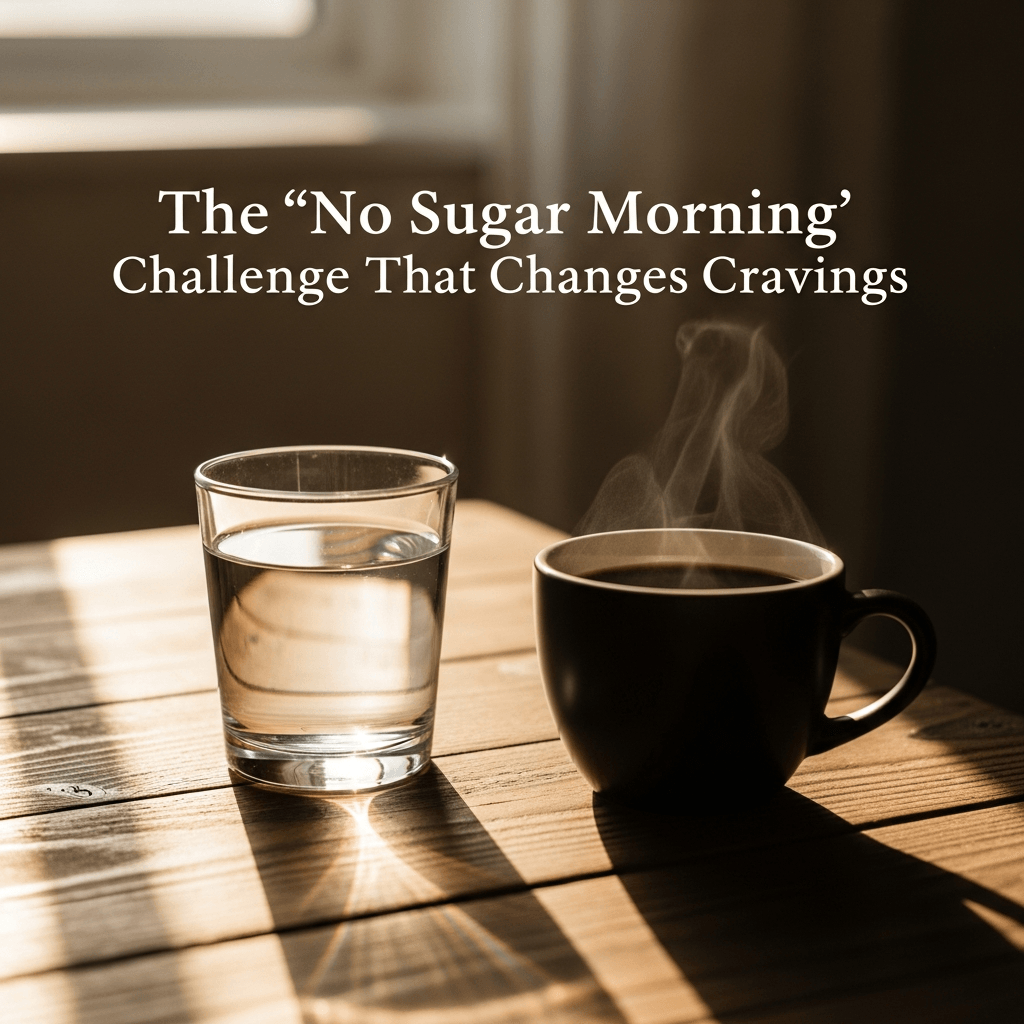
Replace one daily sugar source (like soda or cereal) with whole food or water.
The goal is momentum, not perfection.
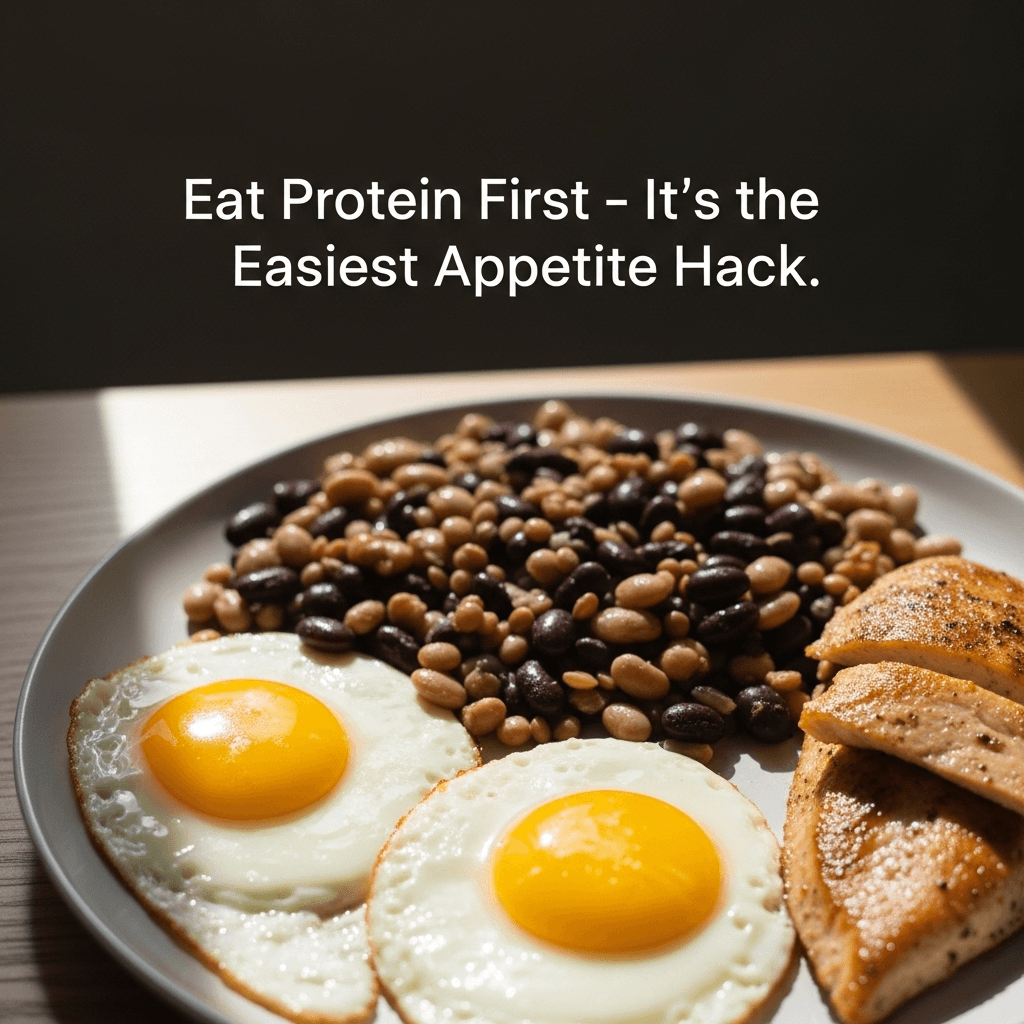
Step 3 — Stabilize With Protein and Fiber
Both slow down sugar absorption and keep cravings from hijacking your day.
Step 4 — Reclaim Reward
After a meal, reward yourself with movement — a walk, a stretch, or music.
Train your brain to associate pleasure with energy, not indulgence.
Step 5 — Track How You Feel
By Day 5, you’ll notice the fog lifting.
By Day 7, you’ll realize you don’t miss sugar — you miss clarity when it’s gone.
You don’t need another diet trend — you just need to stop feeding the craving that’s stealing your focus.
When you reduce sugar, you don’t just lose weight — you gain yourself back.