You don’t fail diets because you’re weak — you fail because you’re wired.
Your brain doesn’t respond to restriction; it rebels against it.
Every “clean eating” rulebook or wellness tip that promises control actually triggers your survival instincts.
It’s not a discipline problem — it’s a design problem in how we think about food, reward, and self-improvement.
The Biology of “Failure”
When you cut calories or ban your favorite foods, your brain interprets it as scarcity.
That activates the hypothalamus — the same area that lights up during famine or stress.
It slows metabolism, increases hunger hormones (ghrelin), and makes you obsess about food.
Dr. Traci Mann, a psychology professor at the University of Minnesota, explains:
“Diets do not fail because people stop them; they fail because biological mechanisms make weight loss unsustainable.”
In other words — your body is protecting you, not betraying you.
Restriction Creates Obsession
The more you say “I can’t have that,” the louder your brain screams for it.
A 2010 study from Appetite found that dieters who tried to suppress thoughts about chocolate ended up eating twice as much when given the chance.
This is why rigid diet plans backfire.
They turn eating into a mental tug-of-war — one that drains willpower, attention, and emotional energy.
You’re not losing control — you’re running out of restraint.
Food = Emotion Regulation
Most people don’t eat because they’re hungry.
They eat because they’re tired, bored, anxious, or lonely.
Food becomes a quick dopamine fix — an emotional regulator disguised as a snack.
Dr. Susan Albers, psychologist and author of “Eating Mindfully,” explains:
“When we eat emotionally, we’re trying to soothe discomfort. The problem isn’t food — it’s unprocessed emotion.”
Dieting doesn’t solve that.
It often amplifies it by layering guilt and shame on top of unmet needs.
Why Motivation Always Fades
At the start, motivation is high — new plan, new hope, new version of you.
But motivation burns fast because it’s emotional.
What lasts is structure that doesn’t require constant effort.
Neuroscientist Dr. Andrew Huberman explains:
“Discipline isn’t about forcing behavior — it’s about designing conditions where the desired behavior becomes easier.”
That’s why people who maintain healthy lifestyles rarely “diet.”
They create environments that support better choices automatically.
The Real Fix: Behavior, Not Rules
When you focus on the behavior instead of the restriction, everything shifts.
Instead of “cut sugar,” think:
- Keep fruit visible, hide processed snacks.
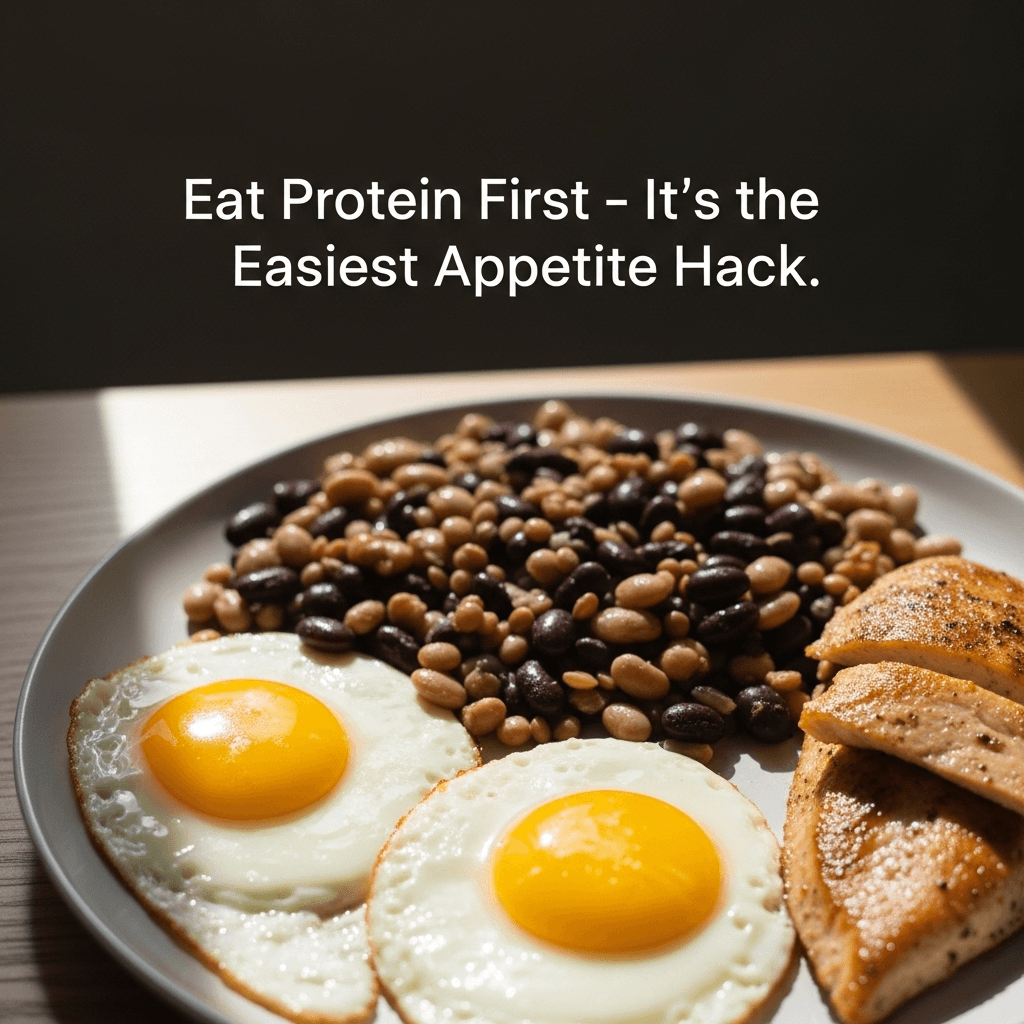
- Eat protein first; cravings naturally shrink.
- Drink water before meals; it calms false hunger.
These small structural tweaks leverage biology instead of fighting it.
You don’t need a stricter plan — you need a friendlier environment.
The Myth of “Cheating”
You didn’t cheat on your diet — your diet cheated human psychology.
The idea that one food choice ruins progress creates an all-or-nothing mindset.
That’s not discipline — that’s emotional burnout disguised as control.
In fact, flexible dieters (who allow occasional indulgences) are more consistent long-term, according to a 2016 study in Behavioral Nutrition and Physical Activity.
Freedom builds consistency.
Shame destroys it.
The Anti-Diet Blueprint
Step 1 — Redesign Your Environment
Remove friction from good habits. Keep healthy snacks easy to grab.
Out of sight = out of mouth.
Step 2 — Practice “Replace, Don’t Remove”
Swap your favorite comfort foods with lighter versions.
Don’t fight cravings — redirect them.
Step 3 — Eat With Awareness
Pause before eating. Ask: Am I hungry or just uncomfortable?
Half the battle is noticing the trigger.
Step 4 — Build Consistency, Not Perfection
You don’t need 100% clean eating — you need 80% consistency that feels effortless.
You don’t stick to diets because you’re undisciplined.
You quit because they’re unsustainable.
And sustainability isn’t built on restriction — it’s built on respect for human nature.