
Trouble falling asleep isn’t always about bedtime routines.
Your brain needs cues from natural light to know when to rest.
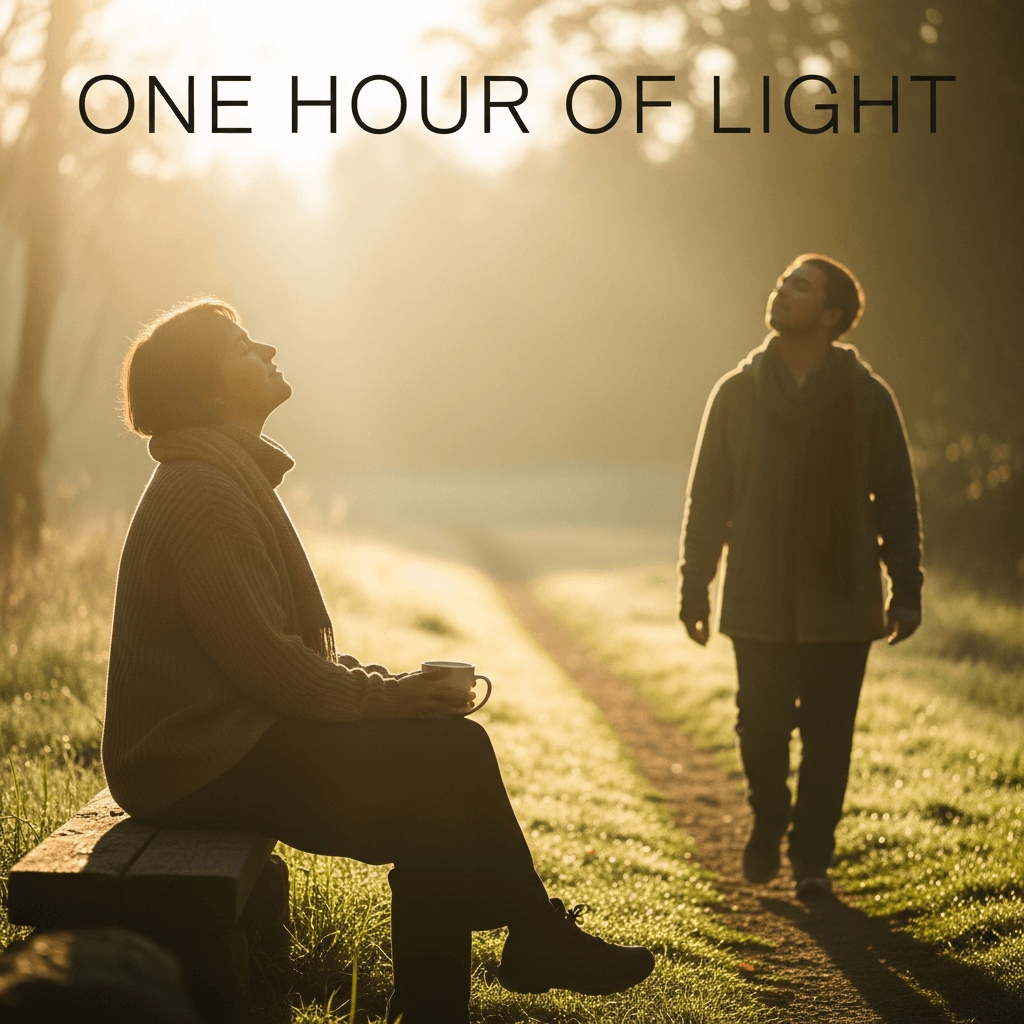
One hour of daylight exposure each day can improve sleep quality dramatically.
Why Light Impacts Sleep
Your body’s circadian rhythm depends on light.
Morning or midday exposure signals your brain that it’s daytime, helping regulate hormones for nighttime rest.
Without enough light, melatonin production gets delayed, leaving you restless at night.
How to Use the “One Hour of Light” Habit
Step outside or sit near a bright window for at least one hour daily.
Morning light works best, but any daylight counts.
Pair it with gentle movement if possible — walking, stretching, or simple tasks.
Consistency is key: daily exposure trains your brain for better sleep.
Light Your Way to Restful Nights
You don’t need complicated sleep gadgets.
You just need natural light at the right times.
One hour of daylight each day primes your body to sleep more soundly at night.


