Scrolling feels like rest — but it’s actually mental noise.
Every swipe floods your brain with information, not recovery.
You think you’re relaxing, but your nervous system is still sprinting.
The fastest way to reset your mind isn’t another scroll — it’s movement.
The Illusion of Rest
When you’re tired, stressed, or anxious, your instinct is to reach for your phone.
It feels harmless — a quick mental break.
But what actually happens is the opposite: your body rests while your brain stays on high alert.
Dr. Anna Lembke, author of “Dopamine Nation,” explains:
“Every time we engage with our phones, we get a little dopamine hit. Over time, we need more stimulation just to feel normal.”
That constant stimulation means you’re never actually resting — you’re just delaying recovery.
Why Movement Heals What Scrolling Hurts
When you move — even for 2 minutes — your body activates an entirely different system: serotonin, endorphins, and natural stress regulators.
Movement literally rewires your brain for calm.
A Stanford study found that walking increases creative thinking by 60% and boosts mood-regulating neurotransmitters like serotonin.
Meanwhile, prolonged sitting and scrolling have been linked to higher rates of anxiety and depression.
It’s not willpower — it’s wiring.
Your biology rewards motion, not endless stimulation.
The Dopamine Recovery Loop
Doomscrolling gives you fast dopamine with no effort.
Movement gives you slower dopamine that lasts longer.
Dr. Andrew Huberman explains it like this:
“When you pair effort with reward, you strengthen your dopamine system. Passive reward, like scrolling, weakens it.”
So while scrolling feels easier in the moment, it actually leaves you more drained — because your brain stops finding reward in real life.
Movement, on the other hand, teaches your brain that effort equals relief.
Your Nervous System Needs Motion
Modern stress is mostly mental — deadlines, notifications, endless feeds — but your body still reacts physically.
When stress builds up and you don’t move, that energy has nowhere to go.
Movement completes the stress cycle.
Even simple things — like pacing, stretching, or standing up — send signals to your brain: The danger is over. You’re safe now.
As Dr. Emily Nagoski, author of “Burnout,” says:
“The body needs to move to tell the brain that the threat has passed.”
No scroll can do that — only motion can.
Movement as Mindfulness
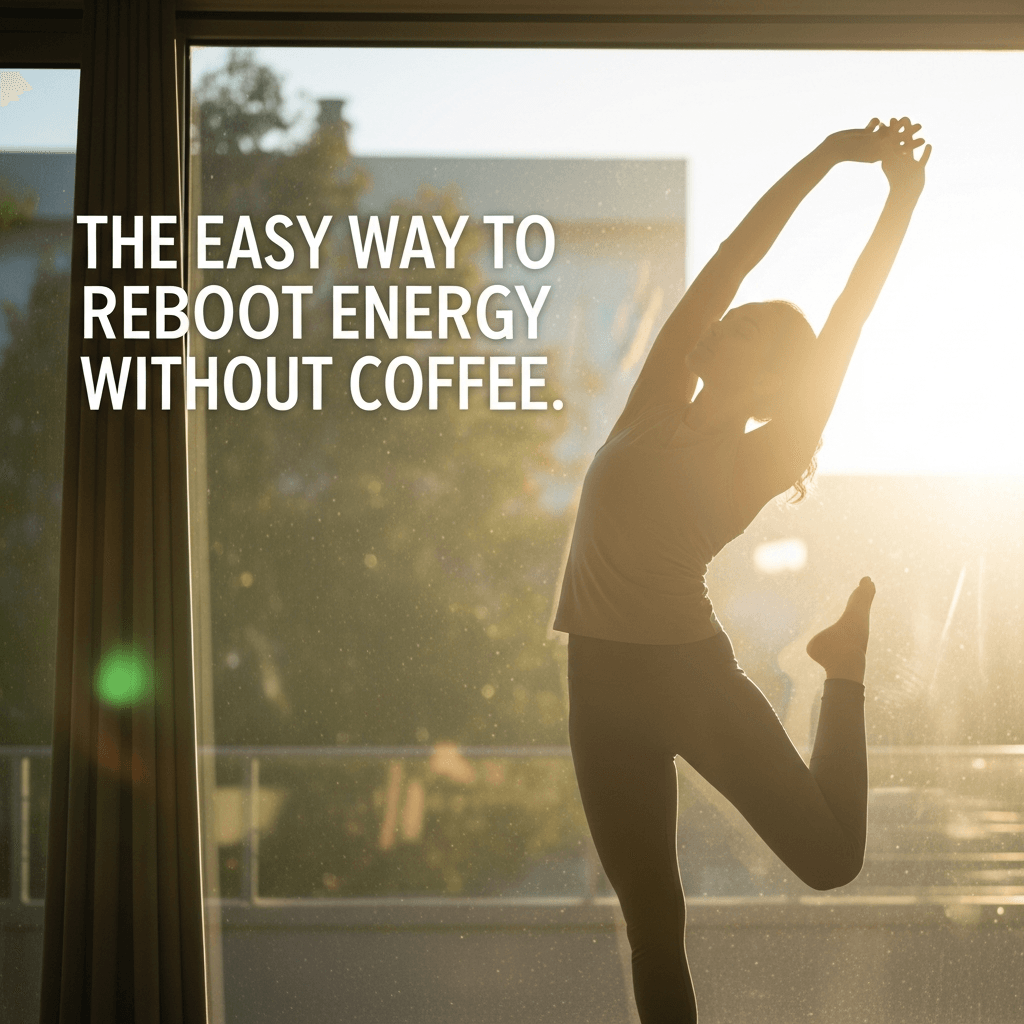
Here’s the trick: movement doesn’t have to be a workout.
It’s any deliberate action that reconnects body and mind.
Try these:
- Walk outside while focusing on your breathing.
- Stretch your shoulders every time you pick up your phone.
- Stand up and shake out tension before checking your notifications.
You’re not escaping stress — you’re releasing it.
The Modern Addiction to Stillness
We’ve built habits that keep our bodies frozen while our minds run wild.
That’s why you feel tired after “resting.”
Your body hasn’t recovered — it’s been waiting for permission to move.
Ironically, the cure for overstimulation isn’t isolation or detox — it’s reconnection through motion.
You don’t need another productivity hack.
You need to move like a human again.
The 3-Minute Swap
Step 1 — Catch Yourself Scrolling
Notice the impulse, don’t judge it.
Just say: “Okay, I need movement, not more data.”
Step 2 — Replace, Don’t Remove
Do 3 minutes of any movement — walk, stretch, or dance to one song.
The goal isn’t fitness — it’s resetting your brain.
Step 3 — Anchor It to a Trigger
Every time you reach for your phone out of boredom, pair it with movement.
Over time, your brain will link motion with relief, not scrolling.
Your phone won’t fix your fatigue.
But your body can — if you let it.
Replace doomscrolling with movement, and you’ll start feeling alive again, one step at a time.